.png)
Understanding Trans Epidermal Water Loss (TEWL)
Updated: Jan 6
Trans epidermal water loss refers to the natural evaporation of water from the skin through the outermost layer, the epidermis. Normally, the skin retains moisture to stay hydrated. However, when the skin barrier is compromised, more water escapes, leading to dryness and sensitivity. Think of it as looking at a dry, cracked desert!
TEWL is a normal process, but excessive water loss can signal problems with the skin’s protective layer. It happens when the skin’s lipid barrier, made of fats and oils, is damaged or depleted. This barrier usually prevents water from evaporating too quickly.
How Does Trans Epidermal Water Loss Occur?
Water loss through the skin occurs in two main ways:
Passive diffusion: Water molecules move from the deeper layers of the skin to the surface and evaporate into the air.
Barrier disruption: Damage to the skin’s outer layer allows more water to escape.
Several factors can increase TEWL:
Environmental conditions: Dry air, wind, and low humidity pull moisture from the skin.
Harsh skincare products: Soaps, detergents, and alcohol-based products strip natural oils.
Skin conditions: Eczema, psoriasis, and other disorders weaken the skin barrier.
Aging: The skin produces fewer oils over time, reducing its ability to hold moisture.
Physical damage: Scratching, over-exfoliating, or sunburn can break down the skin’s defenses.
Symptoms of Excessive Trans Epidermal Water Loss
When TEWL rises, the skin shows clear signs of distress. Common symptoms include:
Dryness: Skin feels tight, rough, or flaky.
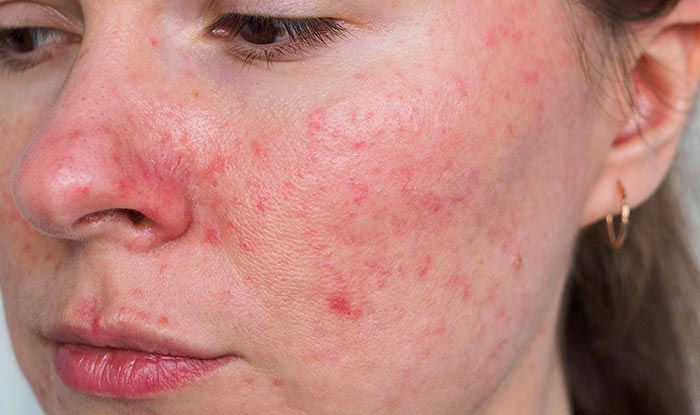
Redness: Irritation and inflammation may appear.
Itching: Dry skin often leads to uncomfortable itching.
Sensitivity: Skin becomes more reactive to products and environmental triggers.
Cracking or peeling: In severe cases, the skin may crack or peel, increasing the risk of infection.
People with naturally dry or sensitive skin often notice these symptoms more quickly. If left unmanaged, excessive TEWL can worsen skin conditions and reduce overall skin health.
How to Manage Trans Epidermal Water Loss
With winter upon us, it's important to take steps to protect our skin. Managing TEWL focuses on restoring and protecting the skin barrier to keep moisture inside. Here are practical steps to reduce water loss:
1. Use Gentle Cleansers
Avoid harsh soaps and cleansers that strip oils. Choose mild, fragrance-free products that clean without damaging the skin barrier.
2. Moisturize Regularly
Apply moisturizers immediately after bathing to lock in moisture. Look for ingredients like:
Ceramides
Hyaluronic acid
Fatty acids
These help rebuild the skin’s lipid barrier and attract water to the surface.
3. Protect Skin from the Environment
Limit exposure to dry air, wind, and extreme temperatures. Use protective clothing.
4. Avoid Over-Exfoliating
Excessive scrubbing or chemical exfoliation can damage the skin barrier. Stick to gentle exfoliation once or twice a week.
5. Stay Hydrated
Drinking enough water supports overall skin hydration from within.
6. Treat Underlying Skin Conditions
If eczema or psoriasis causes increased TEWL, consult a dermatologist for appropriate treatment to restore the skin barrier.
7. Use Humidifiers
In dry indoor environments, humidifiers add moisture to the air, reducing water loss from the skin.
8. Apply Body Products In the Correct Order
You may be slathering yourself with lotion, but are you doing it in the best way? A few tips I've learned that really make a difference:
Apply your lotions when your skin is damp. Trust me... you'll notice it absorbs much better. Try to use products that are unscented.
After your lotion is absorbed, apply a lightweight body oil to help lock in the moisture. Make sure it's non-pore clogging. (Preferably use something like jojoba or grapeseed oil; stay away from coconut oil.)
Why Understanding TEWL Matters
Recognizing trans epidermal water loss helps in choosing the right skincare routine and preventing common skin problems. For example, someone with dry skin who ignores TEWL may experience worsening dryness and irritation. On the other hand, managing TEWL can improve skin texture, reduce sensitivity, and support a healthy appearance.
Many skincare products now focus on repairing the skin barrier to control TEWL. Ingredients like ceramides and fatty acids mimic the skin’s natural lipids, helping to seal in moisture. This approach benefits all skin types, especially those prone to dryness or sensitivity.
Products I Love for TEWL
Cleansers:
Green Envee- Soothe Herbal Cream Cleanser
Hale & Hush- Quiet Wash
Serums:
Green Envee- H.A. Collagen Boosting Serum
Hale & Hush- Soothe Essence Serum
Moisturizers:
Green Envee- Nourish Replenishing Moisturizer
Hale & Hush- Hush Hydrate Gel
Bonus Item: Relief Bio-Powder (When combined with Hush Hydrate Gel, it's great for itching, rashes, and barrier repair)


Comments